Digital nomad guides
Digital nomad life in Southeast Asia: work, visas, and payments
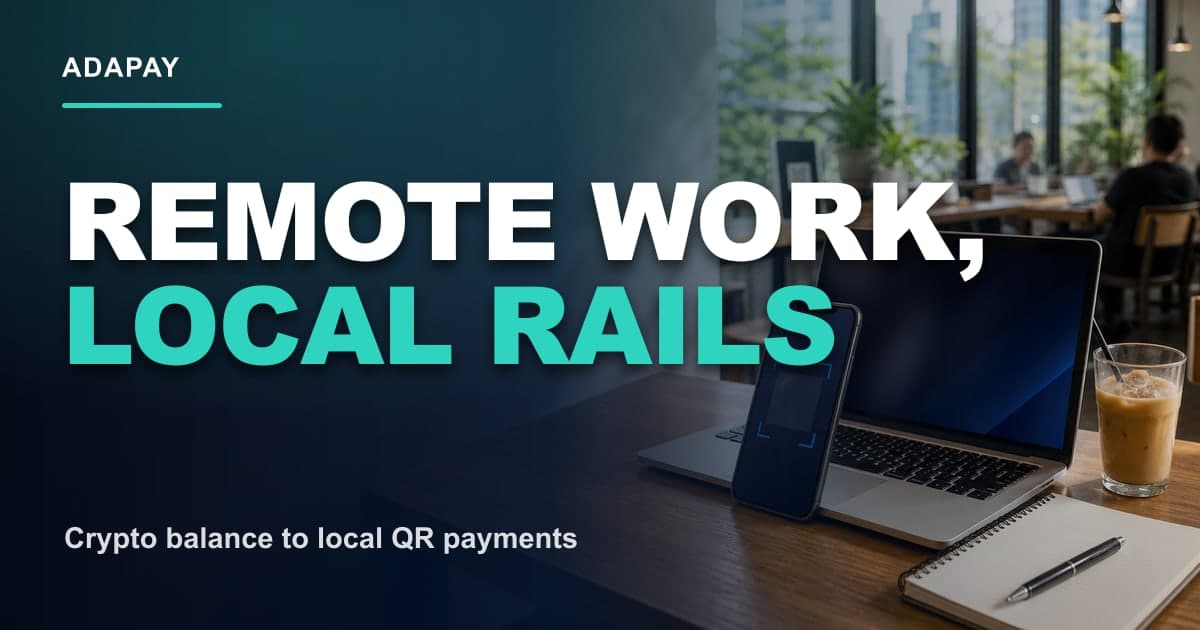
A practical ADAPAY guide to digital nomad life in Southeast Asia, covering work bases, internet, visas, coworking, food, rent, QR payments, and backups.








Summarize content with
Open this guide in your preferred assistant and keep the payment decisions close.
 ChatGPT
 Perplexity
 Grok
Grok Gemini
What this guide solves
Digital nomad life in Southeast Asia can look beautifully simple from the outside: laptop, cafe, cheap lunch, beach weekend, coworking event, repeat. In reality, the lifestyle works only when the basics are stable: visa timing, internet, rent, health, transport, and payments.
This guide shows how to make the region workable as a remote base rather than just attractive as a travel idea.
Quick answer
Choose a base around work reliability first, lifestyle second. Confirm visa rules, neighborhood fit, internet, coworking, rent payment method, healthcare access, and local payment habits. Keep cash, a backup card, ADAPAY for supported QR-style payment moments, and a separate emergency reserve.
Pick the right base for your work style
Popular digital nomad bases include Bangkok, Chiang Mai, Ho Chi Minh City, Da Nang, Bali, Kuala Lumpur, Penang, and island hubs with strong communities. Each has a different rhythm.
Choose by work needs:
- Time zone overlap with clients or team.
- Call-friendly apartments or coworking rooms.
- Reliable internet and mobile data.
- Healthy food options near home.
- Transport that does not drain your day.
- Access to clinics, gyms, and quiet recovery time.
The cheapest base is not always the best one. If slow internet or loud housing ruins your work, the savings vanish quickly.
Understand visa and stay limits
Visa rules change and differ by passport, work type, and destination. Some travelers use tourist entries for short stays. Others look for digital nomad, education, business, retirement, or long-stay options. Always confirm current requirements before planning around a country.
Track:
- Entry date.
- Permitted stay.
- Extension deadline.
- Exit requirements.
- Proof of funds or insurance.
- Whether remote work is allowed under your status.
Do not make a payment-heavy commitment, like a long lease, before the stay rules are clear.
Build a workday payment routine
A normal nomad day may include coffee, coworking, lunch, delivery, gym, laundry, rides, groceries, and rent. Each category may have a different payment habit.
Prepare for:
- Cash at food stalls and laundry shops.
- Card at malls, subscriptions, and larger chains.
- QR payments at cafes, services, and local merchants.
- Transfers for rent, deposits, and some memberships.
- ADAPAY where supported for local QR-style moments.
If you are crypto-funded, decide how much spending balance to prepare at the start of the week. That is calmer than opening a new trade every time the bill arrives.
Internet is part of the payment system
Remote work depends on connectivity, but so do payments. Without data, you may lose access to banking apps, maps, ride-hailing, translators, booking codes, and QR payment flows.
Your connectivity stack should include:
- Local SIM or eSIM.
- Backup data plan.
- Offline map.
- Power bank.
- Coworking day-pass option.
- Screenshots of accommodation and booking details.
When traveling between cities, assume connection may drop at exactly the wrong time. Download key information before moving.
Community is useful, but verify advice
Nomad communities are one of the best parts of Southeast Asia. Coworking spaces, Facebook groups, meetups, language exchanges, fitness classes, and hostel networks can help with apartments, doctors, visas, SIMs, and payment tips.
Still, verify anything that affects money or immigration. A comment that worked for someone last month may not fit your passport, landlord, bank, wallet, or location.
Use community advice as a lead, then confirm the details yourself.
Budget for the boring costs
Southeast Asia can be affordable, but nomad life has hidden expenses:
- Coworking passes.
- Quiet apartment upgrades.
- Visa runs or extensions.
- Insurance.
- International transfers.
- ATM and card fees.
- Scooter deposits or ride-hailing.
- Replacement gear.
- Flights after plan changes.
Keep an emergency fund outside the country you are in. A cheap month can become expensive very quickly if your laptop breaks or your stay plan changes.
Bottom line
Digital nomad life in Southeast Asia works when you respect the operational layer. Pick a base you can actually work from, confirm visa rules, keep internet redundant, and build a payment stack that fits local reality.
Cash, cards, QR, and ADAPAY all have roles. With those layers ready, the laptop-and-cafe version of the dream has something solid underneath it.
Informational content only
This resource is general information, not financial, legal, tax, or investment advice. Local payment access, coverage, fees, and eligibility can change; verify terms with the relevant provider before relying on any route. ADAPAY's public financial service is not live.
Sources
These public references provide context for this guide and may be updated by the relevant organizations.